Year of Gentleness, No. 2: Smell the Flowers, Blow Out the Candles
Since easing back into this space on November 19, I have been noticing how coping shows up in quiet, ordinary ways, often through my children. During the holiday season, when routines are disrupted and expectations multiply, these moments feel harder to miss. This time of year has a way of amplifying everything: joy and exhaustion, connection and grief, celebration and pressure to hold it all together.
One of those moments arrived on a night that began in familiar overwhelm.
My daughter was upset in the way only children can be, when emotions arrive all at once and the body does not yet have words to contain them. Her breath tightened. Everything felt too heavy. I knelt beside her and began guiding her through deep breathing, something I have done countless times before.
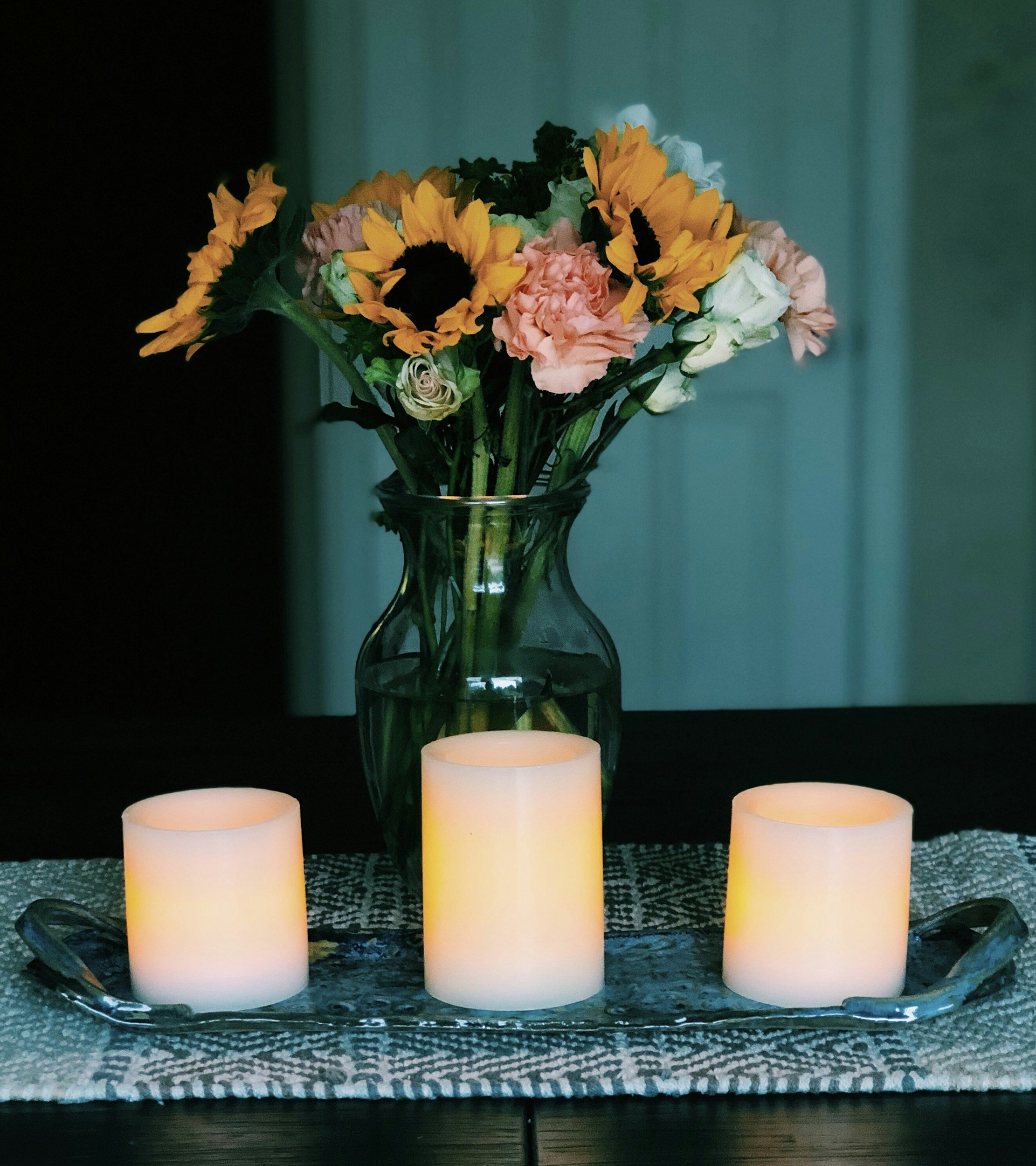
I started to say, “In through your nose, out through your,” but before I could finish, she whispered, “Smell the flowers and then blow out the candles.”
And just like that, the moment shifted.
The instruction was simple and gentle. Her breath slowed. Her shoulders softened. The intensity eased.
What surprised me most was how much it settled me too. I found myself breathing alongside her, reminded that the coping we offer our children often meets us at the exact place we need support ourselves, especially during a season that asks so much of us.
When Our Children Lead
As adults, we tend to believe we are the ones who teach coping. We guide, we model, and we explain. Yet children often access regulation in ways that are more direct and intuitive than our adult minds allow.
That night, my daughter did not just recall a coping skill from her dance teacher. She recognized what her body needed and offered it to herself. In doing so, she offered it to me.
There was no pressure to do it correctly and no concern about outcomes. There was only imagination, breath, and permission to try.
She pictured the flowers. She pictured the candles.
She brought a regulation practice learned in a room full of music and movement into a living room full of emotion, showing me how easily coping can travel across contexts when it is embodied rather than explained.
Why It Works
Most nervous system regulation strategies rely on one foundational action: slowing the breath.
Yet when emotions are already high, especially during the holidays, being told to “take a deep breath” can feel inaccessible or even irritating. The instruction is vague and disconnected from the sensory world where regulation actually happens.
“Smell the flowers” gives the inhale purpose. “Blow out the candles” gives the exhale direction.
This practice works because it engages imagination and sensation rather than analysis. It feels more like play than effort. It allows regulation to happen without demanding insight, precision, or energy.
Research might describe this as breathwork paired with sensory imagery. A child would simply say it helps them feel better.
The Coping Skill That Stayed With Me
Since that night, I have returned to this practice in small moments of tension that feel especially common this time of year.
I have used it before sending a difficult email, while waiting in crowded stores, and in those brief pauses where irritation threatens to take over. Each time, I come back to the same rhythm.
I smell the flowers. I blow out the candles. I take one breath at a time.
The simplicity is what makes it effective. It brings me back into my body and out of my head. It offers comfort without explanation.
Most importantly, it meets me exactly where I am.
Letting Small Things Be Enough
As this year comes to a close and The Coping Corner finds its footing again, I am being reminded that coping does not have to be elaborate to be meaningful, especially during the holidays when capacity is already stretched thin.
Sometimes coping looks like a four-year-old showing you how to breathe. Sometimes it looks like letting children lead. Sometimes it looks like remembering that simple is not the same as insignificant.
During a season filled with noise, obligations, and emotion, I want to honor these small moments. The ones we almost overlook because they feel ordinary. The ones that quietly remind us that regulation can be soft, instinctive, and accessible.
Today, I am carrying forward the lesson my daughter offered without hesitation, and I am offering it to you as well, wherever you find yourself in this holiday season.
Take a breath. Smell the flowers. Blow out the candles.
Repeat as often as you need.
This is a small practice for moments when life feels too big. It is a gentle reset and a child-sized reminder that relief is often closer than we think.